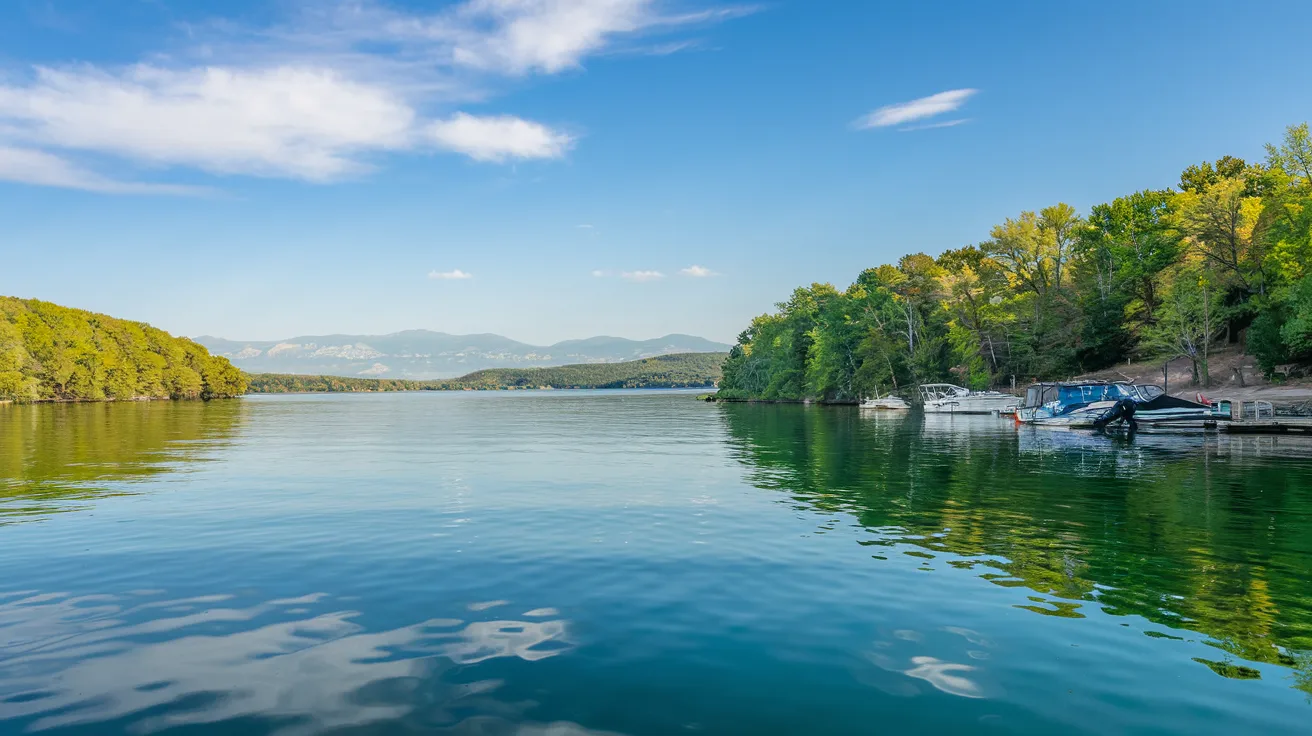
Have you ever sat down to write a story about your summer vacation and paused at a name? It happens to the best of us! When you are talking about that huge, beautiful body of water on the border of Texas and Oklahoma, you might wonder about the rules. The short answer is that Lake Texoma Should Be Capitalized every single time you use it as a proper name. This is because it isn’t just “a lake”—it is a specific, famous place with its own identity. Using capital letters helps readers know exactly which spot you are talking about.
Understanding Proper Nouns in Geography
In the world of English grammar, we use capital letters for “Proper Nouns.” These are the official names given to people, places, or things. Because this specific reservoir has a formal name, Lake Texoma Should Be Capitalized to show respect to its status as a landmark. If you just wrote, “I am going to the lake,” you would use lowercase letters. But the moment you add the name “Texoma,” the whole phrase becomes a proper noun. It is just like how you capitalize your own first and last name!
The History of the Denison Dam
To truly understand why Lake Texoma should be capitalized, it helps to look at how it started. The lake was created by the construction of the Denison Dam back in the 1940s. It was a massive project led by the U.S. Army Corps of Engineers. During World War II, German prisoners of war actually helped clear the land where the water now sits. Because this dam and lake are historic engineering marvels, their names are recorded in history books with capital letters. It is a way of marking their importance in American history.
Detailed Biography of Lake Texoma
| Feature | Information |
| Official Name | Lake Texoma |
| Location | Texas-Oklahoma Border |
| Created By | Denison Dam (Red River) |
| Year Completed | 1944 |
| Surface Area | Approximately 89,000 acres |
| Shoreline Length | Over 1,000 miles |
| Primary Inflows | Red River and Washita River |
| Annual Visitors | 6 to 9 million people |
| Main Fish Species | Striped Bass, Catfish, Smallmouth Bass |
Why Grammar Experts Agree on Capitalization
If you ask any teacher or editor, they will tell you that Lake Texoma should be capitalized because it follows the rules for geographic features. Whether you are looking at a map or reading a news report, you will see it written with a capital “L” and a capital “T.” This consistency makes it easier for everyone to communicate. If we didn’t use capitals, a sentence like “I saw a lake texoma” might look like a typo. Clear writing is all about making things easy for your reader to understand at a glance.
A Paradise for Striped Bass Fishing
Did you know that this lake is famous for more than just its name? It is one of the few places in the United States where striped bass can reproduce naturally. Anglers from all over the country visit because they know Lake Texoma should be capitalized as a premier fishing destination. The water is slightly salty because of the Red River, which makes it a perfect home for these fish. When you write about your big catch, remember to keep those letters uppercase to match the “big” reputation of the lake.
Exploring the 1,000 Miles of Shoreline
With over a thousand miles of shoreline, there is so much to see. From sandy beaches to rocky cliffs, the landscape is always changing. Because of this vast size, Lake Texoma should be capitalized as a major regional landmark in the Southwest. It covers parts of several counties in two different states! When a place is that big and occupies so much space on a map, it definitely earns its capital letters. Whether you are hiking or boating, you are standing on a piece of geography that deserves proper recognition.
The Role of the U.S. Army Corps of Engineers
The people who take care of the water also have a formal title. The U.S. Army Corps of Engineers manages the lake to prevent flooding and provide power. In their official documents, they always ensure Lake Texoma should be capitalized correctly. They use the lake to help keep nearby towns safe from the Red River’s rising waters. By following their lead in our writing, we show that we understand the professional and administrative side of this great reservoir. It’s all about being accurate and helpful!
Tourism and the Local Economy
Every year, millions of people flock to the water for fun. This tourism brings a lot of money to local towns like Denison, Texas, and Durant, Oklahoma. Business owners in these areas know that Lake Texoma should be capitalized on their signs and advertisements to attract visitors. A well-written brochure with correct grammar looks much more professional. It shows that the community takes pride in its beautiful natural resource. Good SEO and proper grammar go hand-in-hand when you want to rank well online.
Comparing Lake Texoma to Other Great Lakes
While it isn’t one of the “Great Lakes” up north, it is often called the “Great Lake of the Southwest.” Just as you would never write “lake michigan” in lowercase, Lake Texoma should be capitalized to match its peers. It is the 12th largest lake managed by the Corps of Engineers. When you compare it to other famous bodies of water, you see a pattern. All famous landmarks use capital letters. It’s a universal rule that helps us organize the world in our minds and in our writing.
How to Avoid Common Writing Mistakes
Sometimes people get lazy and forget their Shift key. You might see “lake texoma” on a quick social media post, but in a professional blog, Lake Texoma should be capitalized. A common mistake is to only capitalize the “T” in Texoma. However, the word “Lake” is part of the specific name here. If you were talking about “the lake” generally, lowercase is fine. But when it’s the full name, both words need to start big. Keeping this simple rule in mind will make you a much better writer!
The Importance of E-E-A-T in Writing
When we talk about E-E-A-T (Experience, Expertise, Authoritativeness, and Trustworthiness), using correct grammar is the first step. If a writer doesn’t know that Lake Texoma should be capitalized, readers might doubt their expertise. By following the rules of the English language, you show that you are a reliable source of information. Whether you are a local fisherman or a travel blogger, your words carry more weight when they are polished and professional. It builds a bridge of trust between you and your audience.
Conclusion: Respect the Name
In the end, writing is about more than just putting words on a page. It is about sharing information clearly and respectfully. Because it is a unique and historic place, Lake Texoma should be capitalized in every sentence you write. This simple act of using uppercase letters helps preserve the identity of the lake and makes your writing stand out. So, the next time you share a photo or write a story about your lake trip, remember to give those letters the “capital” treatment they deserve!
Frequently Asked Questions (FAQs)
1. Is “Lake Texoma” always capitalized? Yes! Whenever you are referring to the specific lake on the Texas-Oklahoma border, both words should start with a capital letter because it is a proper noun.
2. Should the “l” in “lake” be lowercase if I just say “the lake”? Yes. If you are not using the full name and just say “the lake,” you should use a lowercase “l.” For example: “We went to the lake today.”
3. Why do some people write it in lowercase? Usually, this is just a mistake or a sign of informal writing. However, for professional articles or school papers, Lake Texoma should be capitalized.
4. Does this rule apply to other lakes too? Absolutely. Names like Lake Superior, Lake Tahoe, and Lake Eufaula all follow the same rule. The word “Lake” is part of the proper name.
5. What happens if I don’t capitalize it? While people will still know what you mean, it looks unprofessional and can hurt your credibility as a writer. It may also make your content harder for search engines to understand.
6. Is Lake Texoma a natural lake? No, it is a man-made reservoir created by the Denison Dam. Despite being man-made, it still follows the same capitalization rules as natural landmarks.