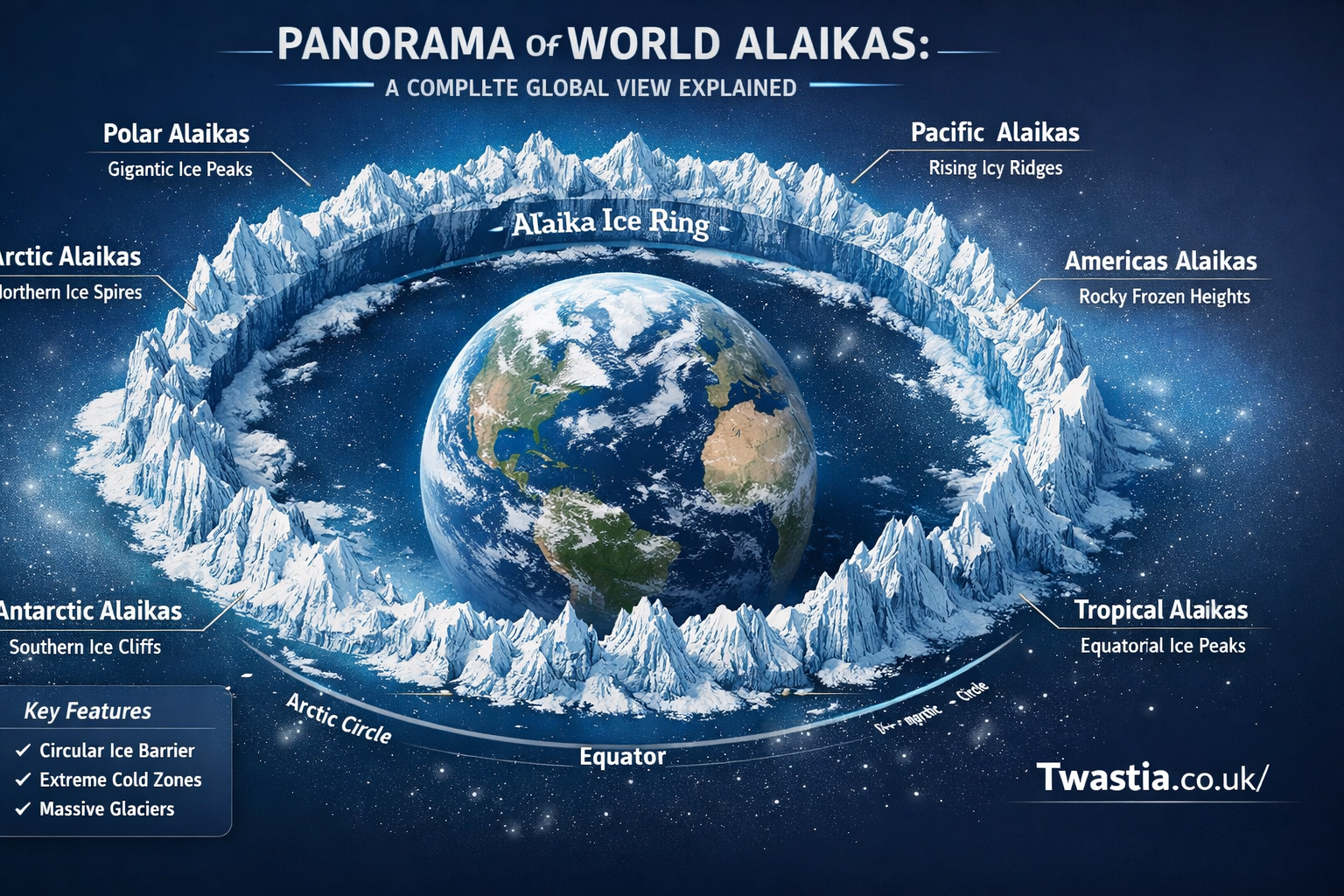
When I first came across the idea of a Panorama of World Alaikas, it didn’t feel like a strict definition or a rigid concept. It felt more like standing on a hilltop, slowly turning your head, and realizing how many different human stories, systems, beliefs, and everyday realities exist at the same time. The Panorama of World Alaikas isn’t about memorizing facts or ticking off countries on a map. It’s about learning how the world actually works when you zoom out, then gently zoom back in on real people and places. That’s what this article is about—making sense of that wide, sometimes overwhelming global picture in a way that feels human, grounded, and honest.
Understanding What “Alaikas” Really Means
The word Alaikas doesn’t come with a neat dictionary definition. And that’s part of its strength. In practice, it’s used to describe interconnected global perspectives—cultures, systems, social habits, and shared human experiences that don’t exist in isolation.
When people talk about the Panorama of World Alaikas, they’re often referring to how different regions influence one another without always realizing it. A fashion trend in one city shows up months later in another. A political decision in one country quietly affects food prices somewhere else. None of this happens in a vacuum.
I’ve noticed that once you start thinking in Alaikas terms, the world stops feeling like separate boxes. Instead, it feels like overlapping circles that constantly move.
Why a Global Panorama Matters More Than Ever
There was a time when global awareness was optional. You could live your entire life focused on your town, your country, maybe your continent. That’s no longer the case.
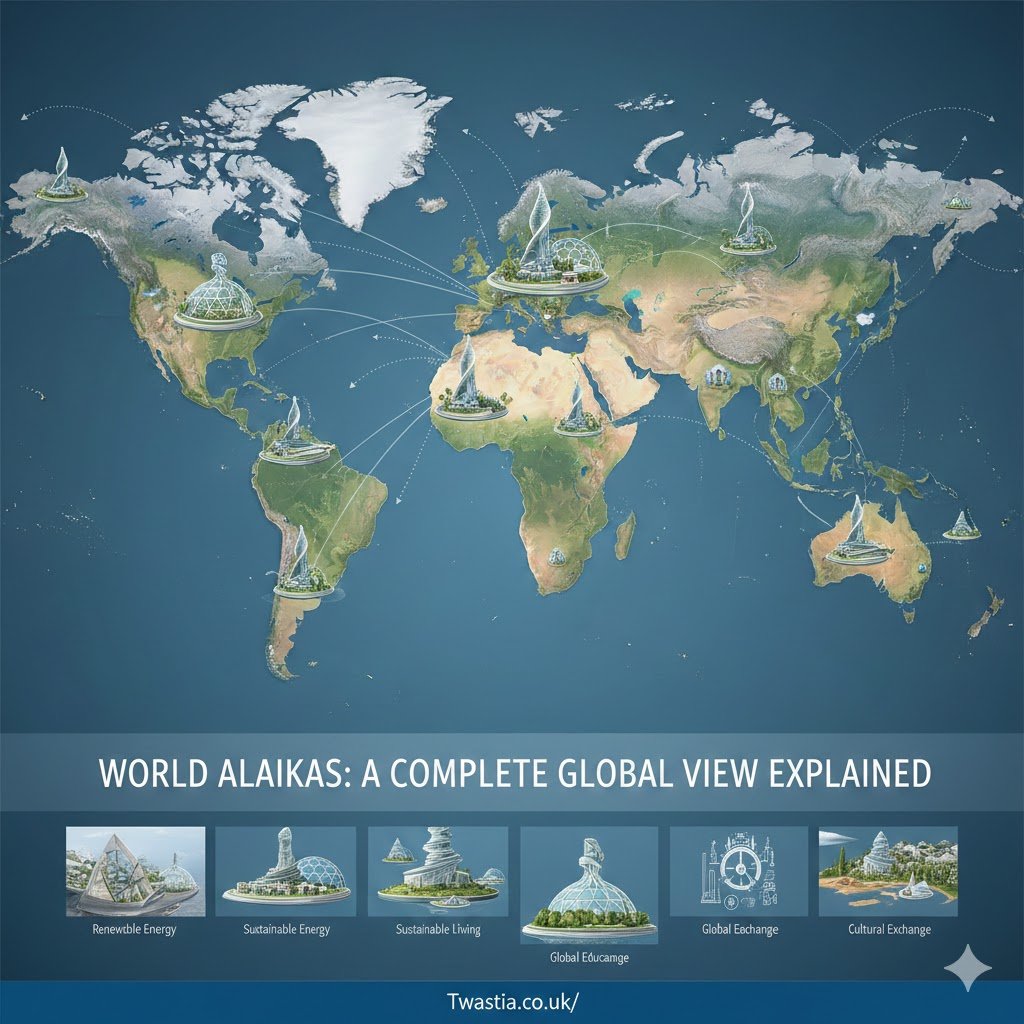
The Panorama of World Alaikas matters because the modern world is deeply connected, even when it pretends not to be. Economic shifts, climate changes, digital communication, and migration patterns don’t respect borders.
Everyday Examples You Might Not Notice
- A phone assembled in one country uses minerals from another.
- A viral video shapes opinions across cultures in seconds.
- A local weather event impacts global supply chains.
These aren’t abstract ideas. They’re daily realities. Understanding the Panorama of World Alaikas helps you notice these patterns instead of being surprised by them later.
Cultural Layers Within the Panorama
Culture is often where people think global understanding begins and ends. Food, clothing, festivals, and music are easy to see and enjoy. But culture runs much deeper than surface-level differences.
Shared Human Habits Across Borders
One thing that stands out when exploring the Panorama of World Alaikas is how similar people can be, even when traditions differ. Parents worry about their children’s future everywhere. Young people question authority in every generation. Elders hold stories that shape identity across cultures.
The expressions change, but the core emotions rarely do.
Where Misunderstandings Come From
Most global conflicts don’t come from total opposition. They come from partial understanding. People see one slice of another culture and assume it represents the whole. A panoramic view reminds us that no single habit or belief defines an entire society.
Economic Systems and Global Interdependence
Money has its own language, and it’s spoken worldwide. But not everyone hears it the same way.
In the Panorama of World Alaikas, economies aren’t just numbers and charts. They’re lived experiences. What looks like growth on paper might feel like pressure on the ground.
How Local Choices Affect the Global Picture
A decision made by a company in one country can impact workers thousands of miles away. Outsourcing, automation, and digital labor markets blur traditional economic boundaries.
I’ve spoken to freelancers who earn globally but spend locally. Their income depends on markets they’ve never visited. That’s Alaikas in action.
Inequality Within the Panorama
A panoramic view doesn’t hide inequality—it exposes it. Some regions benefit more from globalization than others. Seeing this clearly is uncomfortable, but necessary. The Panorama of World Alaikas isn’t about celebrating connection blindly. It’s about understanding its uneven effects.
Technology as the Quiet Connector
Technology is often treated as a tool, but it’s more accurate to see it as an environment. It shapes how people think, communicate, and even argue.
Digital Life Across Cultures
Scrolling through social media in different countries reveals both sameness and difference. Memes cross borders easily. Humor, not always. News spreads fast, context less so.
The Panorama of World Alaikas includes this digital layer, where physical distance matters less, but cultural nuance matters more.
The Illusion of Full Understanding
Just because information is available doesn’t mean it’s understood. Algorithms show fragments, not panoramas. That’s why stepping back and looking at broader patterns is essential.
Politics, Power, and Perspective
Politics is one of the most misunderstood elements of global life. It’s often reduced to headlines, leaders, and slogans. But from an Alaikas perspective, politics is deeply personal.
How History Shapes Present Choices
Countries don’t make decisions in isolation from their past. Colonial histories, wars, and economic agreements leave long shadows. Understanding the Panorama of World Alaikas means acknowledging those shadows without being trapped by them.
Media Filters and Global Narratives
Different regions tell different versions of the same story. None are fully objective. A panoramic view doesn’t ask you to pick one narrative. It asks you to compare them.
Environmental Connections Across the World
Climate doesn’t care about borders, passports, or politics. Yet responses to environmental challenges vary widely.
In the Panorama of World Alaikas, environmental issues are one of the clearest examples of shared responsibility. Pollution created in one place affects air and water elsewhere. Climate migration is no longer theoretical—it’s happening now.
Small Actions, Large Effects
Local environmental choices can have global consequences. This isn’t meant to create guilt, but awareness. A panoramic view encourages responsibility without panic.
How Individuals Fit Into the Big Picture
It’s easy to feel small when thinking globally. But individuals matter more than they realize.
Every conversation, purchase, and shared idea contributes to the Panorama of World Alaikas. Not in a dramatic way, but in a steady, cumulative one.
Learning Without Overwhelming Yourself
You don’t need to understand everything. Start with curiosity. Read beyond your comfort zone. Listen more than you argue. That’s how a panoramic mindset develops naturally.
Misconceptions About Global Understanding
One common mistake is assuming that knowing facts equals understanding. It doesn’t.
The Panorama of World Alaikas isn’t about trivia. It’s about context. Knowing why something happens matters more than knowing that it happens.
Another misconception is thinking global awareness means abandoning local identity. In reality, it strengthens it. You understand yourself better when you see where you fit in the wider world.
The Role of Education and Storytelling
Stories shape how people see the world. They always have.
Education systems that encourage global thinking don’t just teach geography or history. They teach empathy. The Panorama of World Alaikas becomes clearer when stories from different places are told honestly, without simplification.
Looking Forward: A Changing Panorama
The world isn’t static, and neither is its panorama. New technologies, shifting alliances, and cultural exchanges constantly reshape it.
What stays constant is the need for perspective. The Panorama of World Alaikas will continue evolving, but the skill of seeing broadly while thinking deeply will remain valuable.
Conclusion
Understanding the Panorama of World Alaikas isn’t about mastering the world. It’s about respecting its complexity. When you step back and look at the bigger picture, things make more sense—not because they’re simpler, but because you’re seeing them in context. That perspective doesn’t solve every problem, but it helps you approach them with clarity, patience, and a bit more humility.
FAQs
1. Is the Panorama of World Alaikas a theory or a concept?
It’s better described as a concept. It doesn’t follow strict rules but encourages broader global awareness and contextual thinking.
2. Do I need academic knowledge to understand it?
No. The idea is rooted in everyday observation, not formal theory.
3. How is this different from globalization?
Globalization focuses on systems and processes. The Panorama of World Alaikas focuses on perspective and lived experience.
4. Can this way of thinking reduce cultural conflict?
It won’t eliminate conflict, but it can reduce misunderstanding by encouraging empathy and context.
5. How can I apply this in daily life?
Start by questioning assumptions, listening to diverse voices, and recognizing how your choices connect to wider systems.
You May Read Also